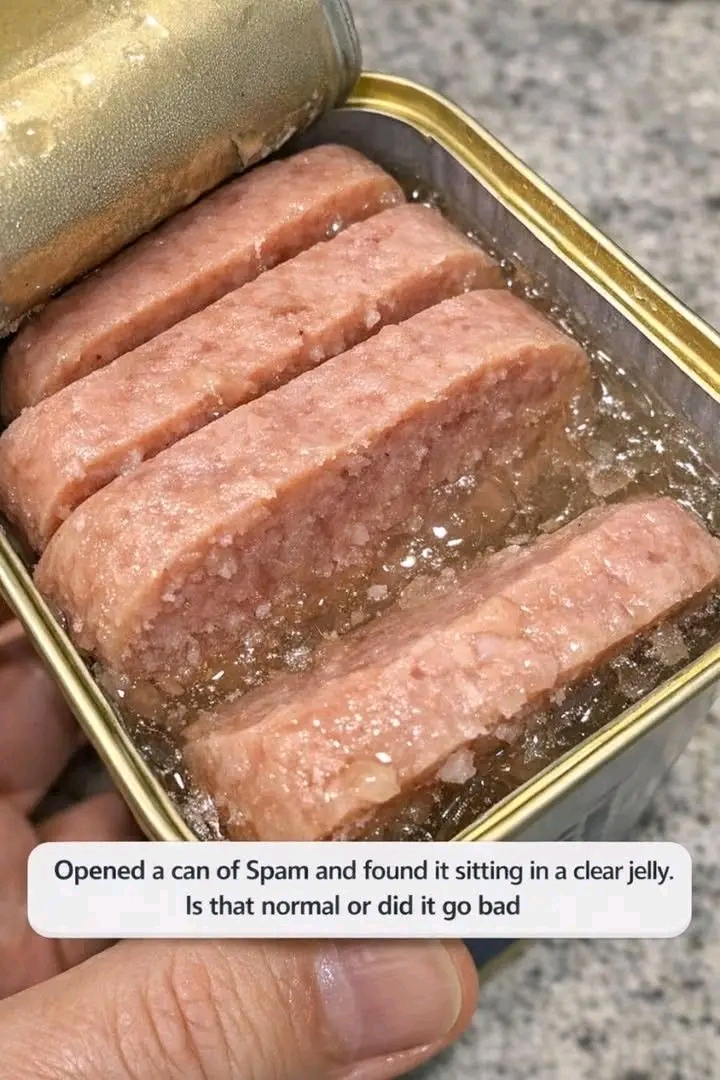
Spam, the iconic canned meat product, has been a staple in many households since its introduction in the 1930s. Known for its versatility and long shelf life, Spam is often found in pantries across the globe, ready to be sliced, fried, or added to a variety of dishes. However, those who open a can of Spam for the first time might be surprised to find the meat sitting in a clear jelly-like substance. This can lead to understandable concerns: Is this jelly normal? Has the Spam gone bad?
Before you toss the can in the trash, it’s important to understand what this clear jelly is and why it forms. The presence of jelly in canned meats, including Spam, is actually quite common and not necessarily a sign of spoilage. In this article, we’ll delve into what this jelly is, why it forms, and how to determine if your can of Spam is still safe to eat.
1. What Is the Clear Jelly on Spam, Exactly?
The clear jelly found in a can of Spam is a natural gelatin that forms during the cooking and canning process. This gelatin is derived from the collagen in the pork and ham mixture used to make Spam. When the meat is cooked, the collagen breaks down and dissolves into the liquid. As the can cools and is stored, this liquid gelatinizes, forming the clear jelly you see.
Unlike the meat jelly you might find in a homemade stew or broth, the jelly in Spam is typically clear and odorless. It’s a normal part of the product and contributes to the overall flavor and texture of the meat. This gelatin helps keep the meat moist and flavorful during its long shelf life, ensuring that when you open a can, the Spam is as tasty as intended.
2. Why Spam Forms a Natural Gelatin in the Can
The process of cooking and canning Spam is designed to create a shelf-stable product. During production, the pork and ham mixture is cooked thoroughly, which causes the collagen proteins in the meat to break down. Collagen is a protein that, when heated, converts into gelatin, a process well understood in culinary science.
When the can is sealed and allowed to cool, the gelatin remains in liquid form while the meat is hot, but solidifies into a jelly as it cools. This natural preservation method not only keeps the meat moist but also acts as a barrier to bacteria and environmental factors, ensuring the meat inside remains safe to eat for an extended period.
3. How to Tell Normal Gelatin From Signs of Spoilage
While the presence of gelatin is typically normal, there are signs to watch for that could indicate spoilage. If the gelatin is unusually thick, has an off-putting odor, or has changed color, these could be warning signs. A normal jelly should be clear or slightly amber in color, with no strong smell. If the jelly appears cloudy, greenish, or has an unpleasant odor, it’s best to err on the side of caution.
Another sign of spoilage is if the can is bulging or leaking, indicating possible bacterial activity inside. In such cases, the contents should not be consumed, as they pose a risk of foodborne illness
