You’ve been there:
You open the fridge, reach for the milk… and pause.
“Wait — it says ‘Best By’ yesterday. Is this still safe?”
You’re not alone.
Millions of people throw out perfectly good food every year — not because it’s spoiled, but because they misunderstand what expiration labels actually mean.
Here’s the truth:
 Most dates on food packaging are not safety deadlines.
They’re about quality, not danger.
And thanks to confusing labels, the average American household wastes over $1,500 worth of food each year.
Let’s clear up the confusion once and for all — so you can eat safely, save money, and reduce waste.
Because real food safety isn’t about fear.
It’s about knowing what those dates really mean.
 Why Expiration Dates Are So Confusing
In the U.S., food manufacturers use a variety of date labels — but none are federally regulated for most foods (except infant formula).
The result?
A patchwork of terms that sound serious but aren’t standardized.

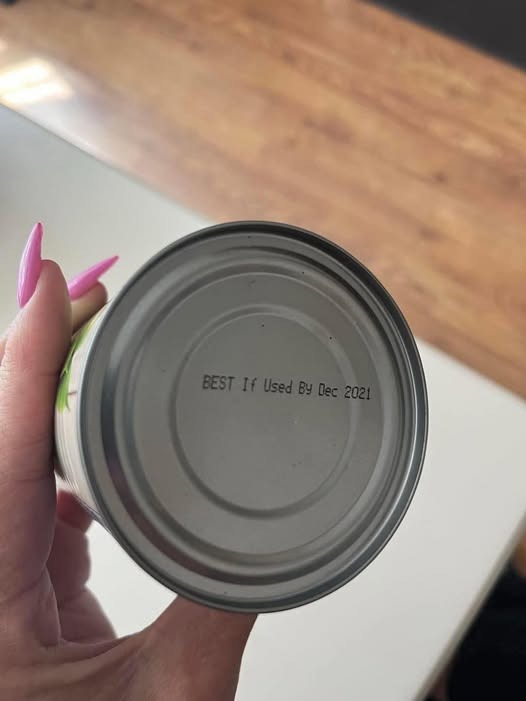
Best if Used By
Peak flavor and quality — not a safety warning
Use By
Suggested last date for best quality (often used for perishables)
Sell By
For store inventory — tells retailers when to pull items from shelves
Expires On
Rare; sometimes used on baby formula — indicates when nutrient levels may decline
 Bottom line: None of these mean “toss after this date.”
The USDA and FDA agree: These labels are about quality, not safety.
